Vastu principles contribute to a productive workplace by optimising the natural energy flow within office spaces, reducing employee stress, and improving concentration and decision-making. When applied correctly, Vastu Shastra guides workstation orientation, department zoning, leadership placement, colour choices, and spatial organisation — all of which directly impact how employees feel, focus, and perform daily.
A Vastu-aligned office positions employees facing North or East for mental clarity and career growth, places senior leadership in the Southwest zone for stable decision-making, locates finance teams in the North for financial stability, and keeps the Northeast corner open and clutter-free for positive energy flow. These are not abstract principles — they are spatial guidelines that overlap significantly with modern workspace design best practices around light, airflow, and ergonomic positioning.
Vastu: Ancient Wisdom for Modern Workspaces
Vastu Shastra — literally meaning the science of architecture — is a 5,000-year-old Indian design system that aligns built spaces with natural forces and directional energies. In a modern office context, it provides a structured framework for spatial planning that addresses the same core concerns as contemporary workspace design: where people sit, how light enters, how departments are arranged, and how movement flows through the space.
When applied to office design, Vastu Shastra goes beyond aesthetics. It defines specific zones for specific functions finance in the North, leadership in the Southwest, collaboration spaces in the Northwest creating a layout where each team works in an environment energetically suited to their role. The result is a workspace that feels organised, purposeful, and conducive to sustained productivity.
Vastu for Well-being and Prosperity
Vastu Shastra, literally meaning "science of architecture," isn't just about aesthetics. It's a set of principles designed to create balanced and positive work environments. By incorporating Vastu into your office design, you can unlock a range of benefits:
Increased Employee Well-being: A Vastu-compliant office promotes a sense of calm and reduces stress. Natural elements like light and plants, encouraged by Vastu principles, contribute to a more positive and healthy work atmosphere.
Enhanced Productivity: Clear layouts, proper desk placement, and clutter-free spaces, all hallmarks of Vastu design, can significantly improve focus and concentration, leading to a boost in productivity.
Stronger Collaboration: Vastu principles guide the placement of meeting rooms and common areas, fostering better communication and teamwork within your organization.
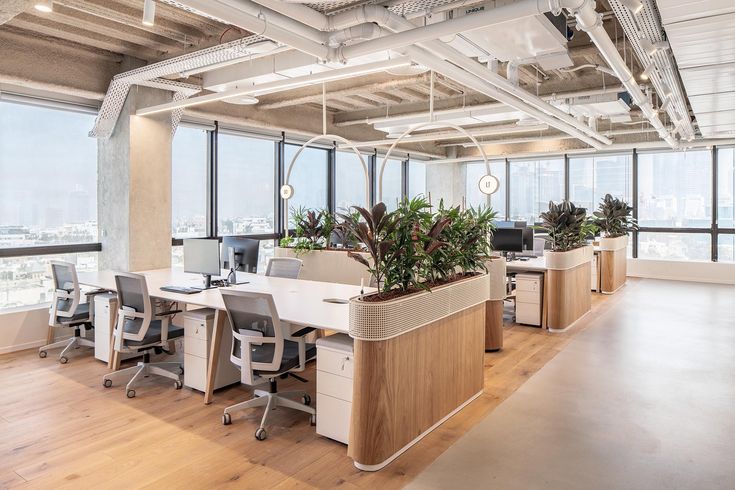
Image source - officesnapshots.com
Which Direction Should Your Office Desk Face According to Vastu?
Desk direction is one of the most frequently asked Vastu questions for modern offices. The direction you face while working directly influences your focus, energy levels, and decision-making throughout the day.
East-Facing Desks
Facing east is ideal for employees in creative work, design, and problem-solving. In Vastu, east is governed by the sun — symbolising new beginnings, clarity, and mental alertness. Morning sunlight from the east also keeps employees naturally energised through the day.
North-Facing Desks
North is governed by Kuber, the deity of wealth and prosperity. This makes north-facing desks beneficial for finance, sales, business development, and leadership roles. If your accounts team or senior management can face north, it is considered auspicious for financial decision-making.
What to Avoid
Vastu advises against facing south while working, as this direction is believed to drain energy and create obstacles. West-facing desks are considered neutral but less preferable for primary workstations.
Practical Tip
If your existing layout makes east or north seating difficult, even small adjustments like angling a desk slightly or repositioning a monitor can make a meaningful difference according to Vastu consultants.
Want to apply Vastu principles professionally?
Explore Kaarwan's Advance Vastu Design & Compliance Course — learn from industry experts and add a high-demand skill to your design portfolio.
Vastu-Recommended Colours for Office Walls and Interiors
Colour is one of the most accessible ways to introduce Vastu into your office without structural changes. In Vastu Shastra, each colour carries specific energy that interacts with the direction it is placed in.
Green is best for creative zones and brainstorming areas. It represents growth and balance, making it ideal for design studios or product teams.
Blue is recommended for communication-heavy spaces like client meeting rooms or customer service areas. It promotes calm, clarity, and clear expression.
Yellow and light orange are ideal for reception areas and entrances. These warm tones create a welcoming first impression for visitors.
White and off-white are the safest and most universally Vastu-compliant choice for open office spaces. White reflects light, reduces visual clutter, and promotes mental clarity.
Colours to avoid in offices include deep red, black, and dark grey on primary walls. These are believed to increase stress and heaviness in the work environment. For best results, pair colours with wall direction. Use green or blue on the north wall, white or light yellow on the east wall, and blue or grey tones on the west wall.
Read More: Vastu-Compliant Color Schemes for Every Room
Vastu Tips for the MD Cabin and Leadership Spaces
In Vastu Shastra, the placement of senior leadership cabins is given special importance because decisions made here affect the entire organisation.
The MD or CEO cabin should ideally be in the southwest corner of the office. The southwest is associated with stability, authority, and grounded decision-making — qualities essential for leadership.
The head of the organisation should sit facing north or east. Facing north aligns with the energy of Kuber while facing east draws the energy of the rising sun, both considered auspicious for leadership.
Avoid placing the MD cabin in the northeast corner, as this zone is reserved for open and light spaces in Vastu. Also avoid placing the cabin directly facing the main entrance as this creates direct energy confrontation.
Bookshelves, safes, and heavy storage should be on the south or west walls of the cabin. This grounds the space energetically and supports stable decision-making.
Common Vastu Mistakes in Office Design and How to Fix Them
Even well-designed offices often contain Vastu imbalances that quietly affect team morale and productivity. Here are the most common mistakes and their practical fixes.
Mistake 1 — Main entrance facing south. If your office entrance faces south, place bright lighting and vibrant plants near the entrance to help neutralise the energy without structural changes.
Mistake 2 — Clutter in the northeast zone. The northeast corner is associated with water, clarity, and divine energy in Vastu. Many offices unknowingly place storage or heavy equipment here. Keep this area open and light, ideally with indoor plants.
Mistake 3 — Employees sitting with their back to the door. This creates a sense of vulnerability according to Vastu. Wherever possible, rearrange seating so employees have a clear sightline to the entrance.
Mistake 4 — Broken or leaking fixtures. Leaking taps, broken lights, and cracked walls are considered symbols of energy leakage in Vastu. Repair these promptly to maintain a positive work atmosphere.
Mistake 5 — Mirrors facing the main door. Mirrors directly opposite the entrance are believed to push away incoming positive energy. Reposition mirrors to side walls or use them in restrooms and breakout areas instead.
Also Read: Designing a Vastu-Compliant Office for Productivity
Creating a Balanced Workspace
Here are some key ways to integrate Vastu into your office:
Harness the Power of Nature: Embrace natural light with strategically placed windows and skylights. Incorporate plants throughout the space to purify the air and enhance well-being.
Welcome Positive Energy: Ideally, position the main entrance in the northeast direction, considered an auspicious zone in Vastu. Create a clutter-free and inviting reception area to set the tone for a positive work experience.
Space for Focus and Collaboration: Place desks strategically, with employees facing east or north to promote clarity and focus. Situate meeting rooms in the northwest to encourage productive teamwork.
Colors and Materials: Opt for calming earth tones like beige, cream, and light yellow for walls. Choose furniture made from natural materials like wood and fibers to create a connection to nature.
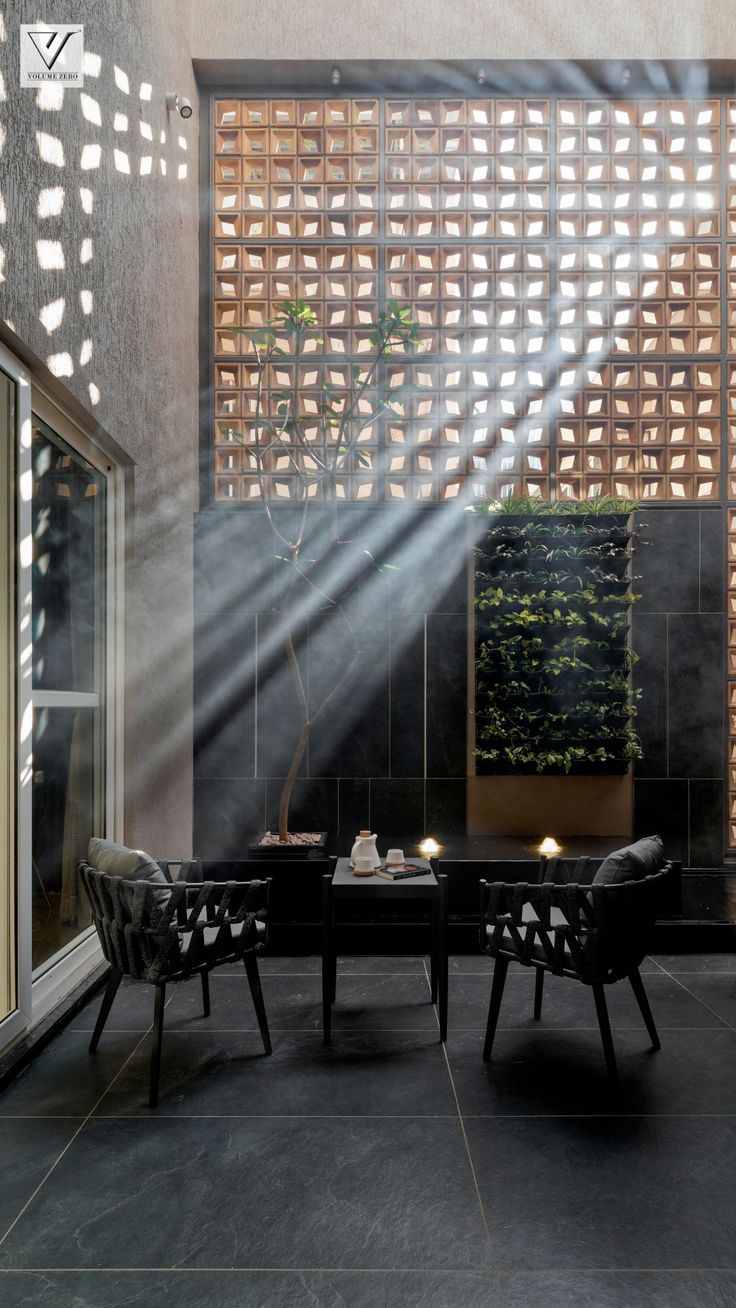
Office design by 4th Axis Design studio via volzero.com
Beyond the Basics
For a deeper dive into Vastu design, consider these options:
Vastu Consultant: An expert can assess your office layout and recommend specific modifications to enhance harmony and productivity.
Vastu Shastra Course: Gain a comprehensive understanding of Vastu principles and their application through a dedicated course.
Vastu Strategies for Productivity
Decluttering and Organization
A clutter-free environment is essential for productivity. According to Vastu, clutter can block positive energy flow, leading to stress and inefficiency. Regularly organizing and decluttering workspaces can help maintain a positive and productive atmosphere. Providing ample storage solutions and encouraging employees to keep their desks tidy are practical steps towards a Vastu-compliant office.
Enhancing Focus and Concentration
Vastu design includes strategies to enhance focus and concentration. Placing plants like bamboo or money plant on desks can bring positive energy and improve concentration. Using crystals like clear quartz can also aid in maintaining focus. Ensuring that employees have dedicated quiet spaces for focused work can boost productivity.
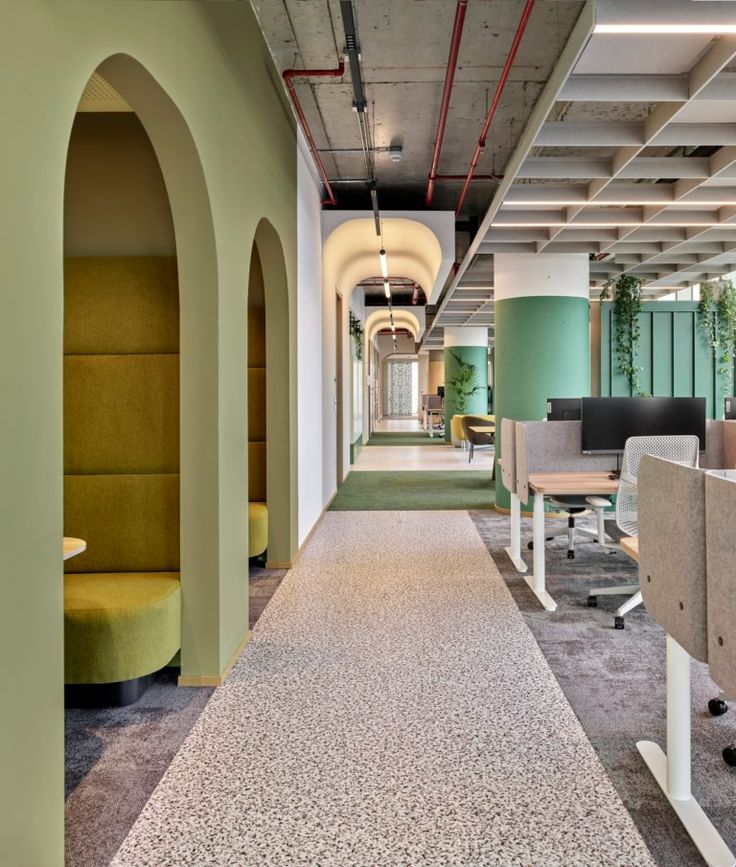
Image source - officesnapshots.com
The Role of a Vastu Consultant
Expert Guidance and Implementation
A Vastu consultant can provide expert guidance on implementing Vastu principles in the office. They can assess the current layout and suggest modifications to enhance harmony and productivity. Hiring a Vastu consultant ensures that the office space aligns with Vastu Shastra principles, creating a conducive environment for success.
Vastu Shastra Course
For those interested in deepening their understanding, enrolling in a Vastu Shastra course can be beneficial. Such courses offer comprehensive knowledge about Vastu principles and their application. Learning Vastu Shastra can empower individuals to create harmonious spaces, both professionally and personally.
Frequently Asked Questions About Vastu for Office and Workplace
1. Which direction is best for office according to Vastu?
The northeast direction is considered most auspicious for the main office entrance in Vastu Shastra. For individual workstations, facing east or north while working is recommended for focus, clarity, and prosperity.
2. Can Vastu really improve productivity at work?
Vastu principles focus on optimising spatial layout, natural light, airflow, and directional alignment — all of which impact employee well-being and focus. Many architects and interior designers incorporate Vastu as a framework for creating balanced, harmonious workspaces that people find more comfortable and motivating.
3. What is the best colour for an office according to Vastu?
White, off-white, light green, and light blue are the most recommended colours for office walls according to Vastu Shastra. The ideal colour also depends on the direction the wall faces — north walls benefit from green or blue tones while east walls do well with white or light yellow.
4. Where should the MD or boss cabin be according to Vastu?
The MD or CEO cabin should be in the southwest corner of the office, with the occupant sitting facing north or east. The southwest zone represents stability and authority in Vastu Shastra.
5. Is Vastu applicable to modern offices and startups?
Yes. Many Vastu principles like maximising natural light from the east, keeping the northeast zone open and clutter-free, and using calming colours align closely with modern workspace design best practices. Vastu can be applied to any office, from a home workspace to a large corporate floor.
6. What plants are good for office according to Vastu?
Bamboo, money plant, peace lily, and jade plant are commonly recommended in Vastu for office spaces. These plants are believed to attract positive energy and prosperity while also improving air quality.
7. How can Vastu principles contribute to a productive workplace?
Vastu principles contribute to workplace productivity through five specific applications: correct workstation orientation with employees facing North or East, strategic department zoning with finance teams in the North and communications in the Northwest, leadership placement in the Southwest zone for stability and authority, use of calming directionally-aligned colours such as green on North walls and white on East walls, and maintaining clutter-free open pathways especially in the Northeast zone.
Together these spatial guidelines optimise natural energy flow, reduce workplace stress, and create an environment where focus, collaboration, and decision-making consistently improve.
Conclusion: The Future of Vastu in Modern Workspaces
Embracing Vastu Architecture
Embracing Vastu architecture in modern workspaces is not just about tradition; it's about creating environments that foster well-being and productivity. As more companies recognize the benefits of Vastu design, we can expect to see a growing trend towards Vastu-compliant offices. By integrating these ancient principles with modern design, businesses can create balanced and prosperous workplaces.
Taking the Next Step
Whether through consulting a Vastu expert or enrolling in a Vastu Shastra course, taking the next step towards a Vastu-compliant office can have profound benefits. Understanding and applying Vastu principles can transform the workplace, making it a space where employees thrive and succeed. Embrace Vastu architecture and create a harmonious and productive work environment.
Ready to take your understanding of Vastu Shastra to the next level? Enroll in our Advance Vastu Design & Compliance Course today and unlock the secrets of harmonious architecture!